
Gastrointestinal disorders are becoming increasingly common due to changing lifestyles, unhealthy eating habits, stress, obesity and digestive health issues. Conditions related to the stomach, intestines, gallbladder, liver and digestive tract often require surgical treatment when medications and lifestyle changes are no longer effective.
Over the years, surgical technology has evolved significantly. Traditional open surgery was once considered the standard approach for treating gastrointestinal conditions. However, modern advancements in medical science have introduced robotic assisted procedures that are changing the way complex GI surgeries are performed.
Today, many patients prefer minimally invasive treatment because of reduced pain, quicker recovery and improved safety. This growing demand has also increased interest in finding the Best Robotic Gastrointestinal & Bariatric Surgeon for advanced and precise treatment solutions.
Understanding Traditional GI Surgery
Traditional gastrointestinal surgery usually involves making a large incision in the abdomen to access the affected organs. While this approach can effectively treat many medical conditions, it is often associated with:
- Greater blood loss
- Larger surgical scars
- Increased pain after surgery
- Higher risk of infection
- Longer hospital stays
- Delayed recovery
In many cases, patients undergoing open surgery may require several weeks before returning to their normal routine. Recovery can become even more difficult for elderly patients or individuals with obesity and other medical conditions.
Although traditional surgery is still necessary in certain complex situations, modern minimally invasive techniques are now offering safer alternatives for many gastrointestinal procedures.
What is Robotic GI Surgery?
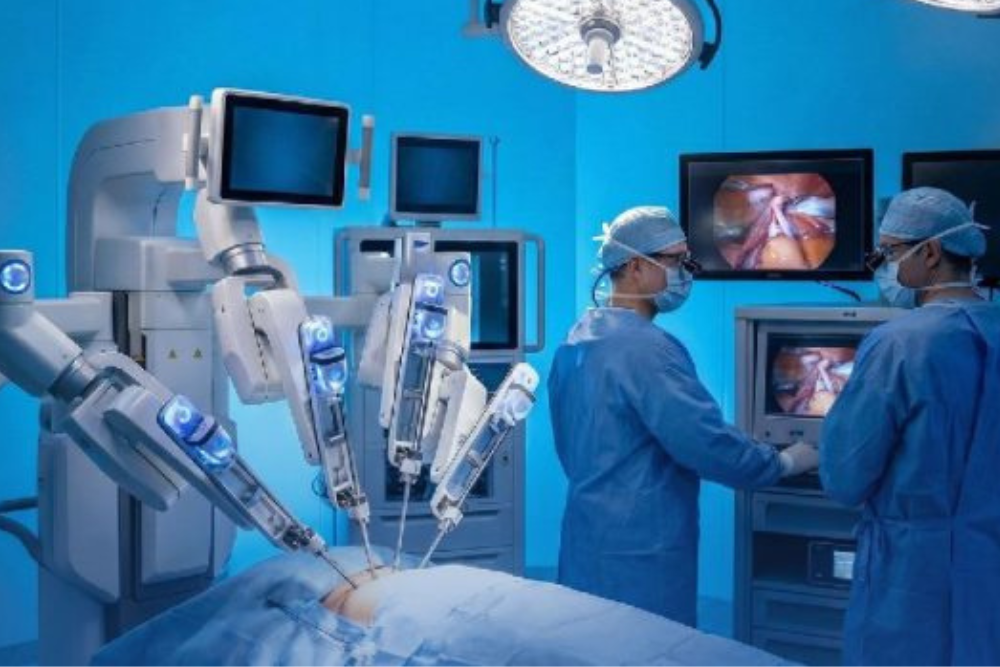
Robotic gastrointestinal surgery is an advanced minimally invasive surgical technique performed using robotic assisted technology. During the procedure, the surgeon controls robotic instruments from a computerized console that provides highly detailed visualization and precise movement control.
The robotic system does not operate independently. Instead, it translates the surgeon’s hand movements into extremely accurate surgical actions. This technology allows greater flexibility and precision compared to conventional laparoscopic instruments.
Robotic assisted procedures are commonly used for:
- Hernia Surgery
- Gallbladder Surgery
- Bariatric Surgery
- GI Cancer Surgery
- Acid Reflux Surgery
- Colorectal Procedures
The use of robotic systems has significantly improved surgical outcomes for many gastrointestinal patients.
Better Precision During Surgery
One of the biggest reasons robotic GI surgery is considered safer than traditional surgery is the high level of precision it offers.
Robotic instruments can rotate and move more freely than the human hand, allowing surgeons to operate in delicate and hard to reach areas with greater accuracy. This reduces the chances of unnecessary tissue damage during surgery.
Advanced robotic systems also provide magnified 3D high definition visualization, helping surgeons clearly view nerves, blood vessels and surrounding tissues. Enhanced visibility improves surgical accuracy and supports safer procedures.
Patients looking for Advanced Robotic GI Surgery in Delhi often prefer robotic assisted treatment because of this advanced precision and control.
Smaller Incisions and Less Pain
Traditional surgery usually requires large cuts to access internal organs, which can increase pain and recovery time. Robotic GI surgery, on the other hand, is performed through small incisions using specialized robotic instruments.
Smaller incisions provide several advantages:
- Reduced post operative pain
- Lower risk of infection
- Minimal scarring
- Faster wound healing
- Improved patient comfort
Because the body experiences less trauma during robotic procedures, patients generally recover more comfortably compared to open surgery.
Reduced Blood Loss and Lower Complication Risk
Another major safety advantage of robotic surgery is reduced blood loss during the procedure. Precise instrument control allows surgeons to operate with greater stability and accuracy, minimizing accidental injury to surrounding tissues and blood vessels.
The smaller incisions and controlled movements also help reduce the risk of:
- Surgical infections
- Excessive bleeding
- Post operative complications
- Longer hospitalization
For patients with obesity, diabetes or other health conditions, reducing surgical complications becomes especially important.
Faster Recovery and Shorter Hospital Stay
One of the most appreciated benefits of robotic GI surgery is quicker recovery. Since robotic-assisted procedures are minimally invasive, the body heals faster compared to traditional open surgery.
Many patients are able to:
- Walk sooner after surgery
- Resume light activities earlier
- Experience less discomfort
- Return home faster
Shorter hospital stays also reduce the chances of hospital acquired infections and improve overall patient experience.
Improved Surgeon Control and Stability
Human hands naturally experience slight tremors, especially during long and complex surgical procedures. Robotic systems are designed to eliminate these tiny involuntary movements, providing smoother and more stable surgical performance.
This enhanced stability becomes particularly useful during delicate gastrointestinal procedures that require extreme precision.
Many patients choose Advanced Robotic Gastrointestinal & Bariatric Surgery by Dr. Arun Prasad because advanced robotic techniques help improve both safety and surgical outcomes for complex GI conditions.
Safer Option for Complex GI Procedures
Robotic technology is especially beneficial for complicated gastrointestinal surgeries where precise movement is essential. Procedures involving deep abdominal areas, narrow spaces or delicate tissues can often be performed more safely with robotic assistance.
The combination of advanced imaging, precise instrument control and minimally invasive access helps surgeons manage complex GI conditions with greater confidence and accuracy.
The Future of Gastrointestinal Surgery
Robotic-assisted surgery is rapidly becoming an important part of modern gastrointestinal healthcare. As technology continues to improve, more hospitals and surgical specialists are adopting robotic systems for safer and more effective patient care.
Patients today are more aware of treatment options and are actively seeking minimally invasive procedures that offer quicker recovery and reduced complications. Robotic GI surgery is helping meet these expectations by combining advanced technology with modern surgical expertise.
FAQs
1. What is robotic GI surgery?
Robotic GI surgery is a minimally invasive surgical procedure performed using robotic assisted technology for greater precision and safety.
2. Is robotic GI surgery safer than traditional surgery?
Robotic surgery is often considered safer because it involves smaller incisions, reduced blood loss, faster recovery and improved surgical accuracy.
3. Does robotic GI surgery cause less pain?
Yes, robotic procedures usually result in less post-operative pain compared to traditional open surgery.
4. How long does recovery take after robotic GI surgery?
Recovery time depends on the procedure and patient condition, but many patients recover faster than with traditional surgery.
5. Which conditions can be treated with robotic GI surgery?
Robotic GI surgery can be used for hernia treatment, bariatric surgery, gallbladder problems, colorectal procedures, acid reflux surgery and certain gastrointestinal cancers.